How to Fix Shoulder Pain from Fly Fishing in Colorado

Shoulder pain from fly fishing in Colorado can be treated with mobility exercises, rotator cuff strengthening, endurance training, manual therapy, and safer casting habits.

Key Takeaways
Repeated casting adds up. Long days, heavy rigs, and strong winds can tire your shoulder and lead to pain over time.
Shoulder pain can signal more than soreness. Rotator cuff tendinitis, impingement, tears, and biceps tendinitis can all affect casting and everyday movement.
The right treatment can get you back on the water. Phenom identifies what is causing your pain, rebuilds shoulder strength and movement, and helps prepare you for casting again.
Why Fly Fishing Is Hard on Your Shoulder
Fly fishing puts your shoulder through the same movement hundreds of times during a long day on the water. Heavy rigs and strong winds can make each cast require even more effort.

With so much repeated movement and little time to recover, the muscles around the shoulder can become tired and sore. After a long day or several days of fishing in a row, that soreness may become more noticeable and make casting uncomfortable.
Common Shoulder Injuries From Casting
Repeated casting can irritate the muscles and tendons in your shoulder and, over time, contribute to problems such as rotator cuff tendinitis, impingement, and tears.
The rotator cuff helps control many of the movements you use when casting. It is a group of muscles and tendons that helps lift and rotate your arm while keeping the shoulder stable.
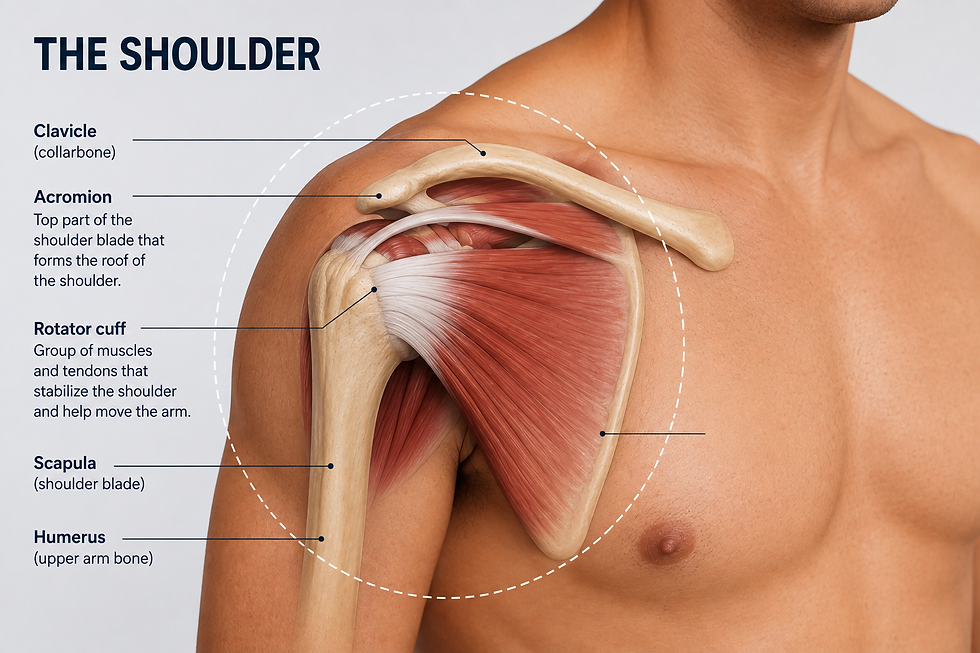
When your shoulder gets overworked, a few common problems can show up:
Rotator cuff tendinitis: The tendons in your shoulder become sore and irritated. Pain often shows up when casting, lifting your arm or reaching overhead.
Shoulder impingement: Tissues in the shoulder get pinched when you raise your arm. A sharp or pinching pain is common during an overhead cast.
Rotator cuff tear: One of the shoulder tendons becomes partly or fully torn. Your arm may feel weak and hard to move.
Biceps tendinitis: The tendon at the front of your shoulder becomes irritated. Pain is often felt when you move or lift your arm.
These problems do not always start with one painful cast. Early signs may include soreness after fishing, weakness, pain when lifting your arm, or discomfort at night.
If those symptoms keep returning or worsen, they can begin to affect both your casting and everyday movements.
How Phenom Treats Shoulder Pain
At Phenom Sports and Rehabilitation, we first find out what is causing your shoulder pain. Then we help you move better, get stronger, and get back to casting.
We check how far your shoulder can move, how strong it is, and which movements cause pain.
We personalize your treatment based on the cause of your pain and what your shoulder needs to recover.
Treatment Options
Range-of-motion exercises: Help restore easier, more comfortable movement when pain or stiffness limits your shoulder.
Rotator cuff strengthening: Builds strength and stability for casting.
Shoulder endurance training: Prepares your shoulder for longer periods of casting without tiring as quickly.
Manual therapy: Uses hands-on treatment to improve movement and reduce stiffness or pain.
Neuromuscular training: Improves how the muscles around your shoulder work together to control your arm.
IMS or dry needling: Helps relax tight, painful muscles around your shoulder and upper back.
Depending on your shoulder problem, we can also use other treatments to support your recovery:
Focused Shockwave Therapy (FST): Uses acoustic waves and may be used for certain shoulder conditions, including calcific tendinopathy, to help reduce pain and improve function.
Extracorporeal Magnetotransduction Therapy (EMTT): Uses high-energy magnetic pulses and may be used alongside rehabilitation for some musculoskeletal conditions, including certain rotator cuff problems.
Our goal is not just to reduce your pain. We want your shoulder to feel strong and comfortable through a full day of fishing.
Tips to Protect Your Shoulder
A few simple changes can make fishing easier on your shoulder and reduce the risk of pain.
Warm up before your first cast: Spend a few minutes getting your body moving and gently moving your shoulders before you start fishing. A short shoulder warm-up can help prepare the muscles for activity.
Keep your grip comfortable: Avoid holding the rod in a position that makes your hand, forearm, or shoulder feel tense. Your casting style and grip can make casting easier on your arm.
Watch how often you use a sidearm cast: Sidearm casting can be useful under trees or around brush, but try not to rely on the same awkward position for hours. Change your casting position when the water and surroundings allow.
Use only as much weight as you need: Split shot, weighted flies, and heavier setups make each cast more demanding. If conditions allow, reducing unnecessary weight can make casting easier on your shoulder.
Build strength around your shoulder: Strengthening the rotator cuff and the muscles around your shoulder blade can help support and control your arm during repeated casting.
Pay attention when your shoulder starts hurting: If casting becomes painful, do not keep forcing the same movement for hours. Give your shoulder time to rest and change what you are doing if a certain movement keeps causing pain.
These changes cannot prevent every shoulder problem, but they can reduce some of the extra work your shoulder has to do during a long day on the water.
When to Get Your Shoulder Checked
A sore shoulder after fishing can get better with rest. If the pain keeps coming back or starts affecting how you move, it is a good idea to get it checked.
Wrapping It Up
Shoulder pain often builds slowly, especially after long days of repeated casting.
Small changes to your casting habits, strength, and recovery can help, but pain that keeps returning should not be ignored. At Phenom Sports and Rehabilitation, we can evaluate what is causing your symptoms and build a treatment plan to help your shoulder move better, get stronger, and handle casting again.
The goal is simple: help you spend more time enjoying the river and less time thinking about your shoulder.
FAQs
Can fly fishing cause shoulder pain?
Yes. Repeated casting, especially during long fishing days, can fatigue the muscles and tendons around the shoulder. Heavy rigs, strong winds, and repeated overhead or sidearm movements can place even more stress on the shoulder and contribute to pain over time.
What shoulder injuries are common from fly casting?
Common shoulder problems associated with repeated casting include rotator cuff tendinitis, shoulder impingement, rotator cuff tears, and biceps tendinitis. Symptoms may include soreness, weakness, pain when lifting your arm, or discomfort at night.
How can I relieve shoulder pain after fly fishing?
Resting from painful movements may help with mild soreness. Treatment can also include mobility exercises, rotator cuff strengthening, endurance training, manual therapy, and other rehabilitation techniques based on the cause of your pain.
What exercises can help strengthen my shoulder for fly fishing?
Exercises that strengthen the rotator cuff and the muscles around the shoulder blade can improve shoulder stability and control during casting. Endurance exercises can also help prepare your shoulder for longer periods of repeated casting.
When should I see a physical therapist for shoulder pain from fly fishing?
Consider getting your shoulder evaluated if the pain keeps returning, gets worse, causes weakness, or starts limiting your casting or everyday movements. A physical therapist can assess your movement and strength and develop a treatment plan based on what is causing your symptoms.
Resources
For readers who want to learn more about shoulder pain and fly-fishing injuries:
Common Shoulder Injuries from AAOS explains common problems such as instability, impingement, and rotator cuff injuries.
Biceps Tendinitis from AAOS explains how the biceps tendon can become irritated and how it relates to other shoulder problems.
When to See a Doctor for Shoulder Pain from Mayo Clinic gives clear guidance on symptoms that may need medical attention.
Upper Extremity Pain Seen With Fly-Casting Technique on PubMed looks specifically at shoulder, elbow, and wrist pain reported by fly-casting instructors.